Developing a Personal User Manual
- Introduction to Personal User Manuals
- Self-Awareness and Self-Discovery
- Personality Traits & Communication Styles
- Personal Work Styles
- Feedback Preferences
- Conflict Aspects
- Motivational Factors
- Learning Styles
- Strengths and Weaknesses
- Drafting Your Personal User Manual
- Sharing Your Personal User Manual
- Updating Your User Manual
- Conclusion: Benefits and Applications of a Personal User Manual
Drafting Your Personal User Manual
Structuring Your Personal User Manual
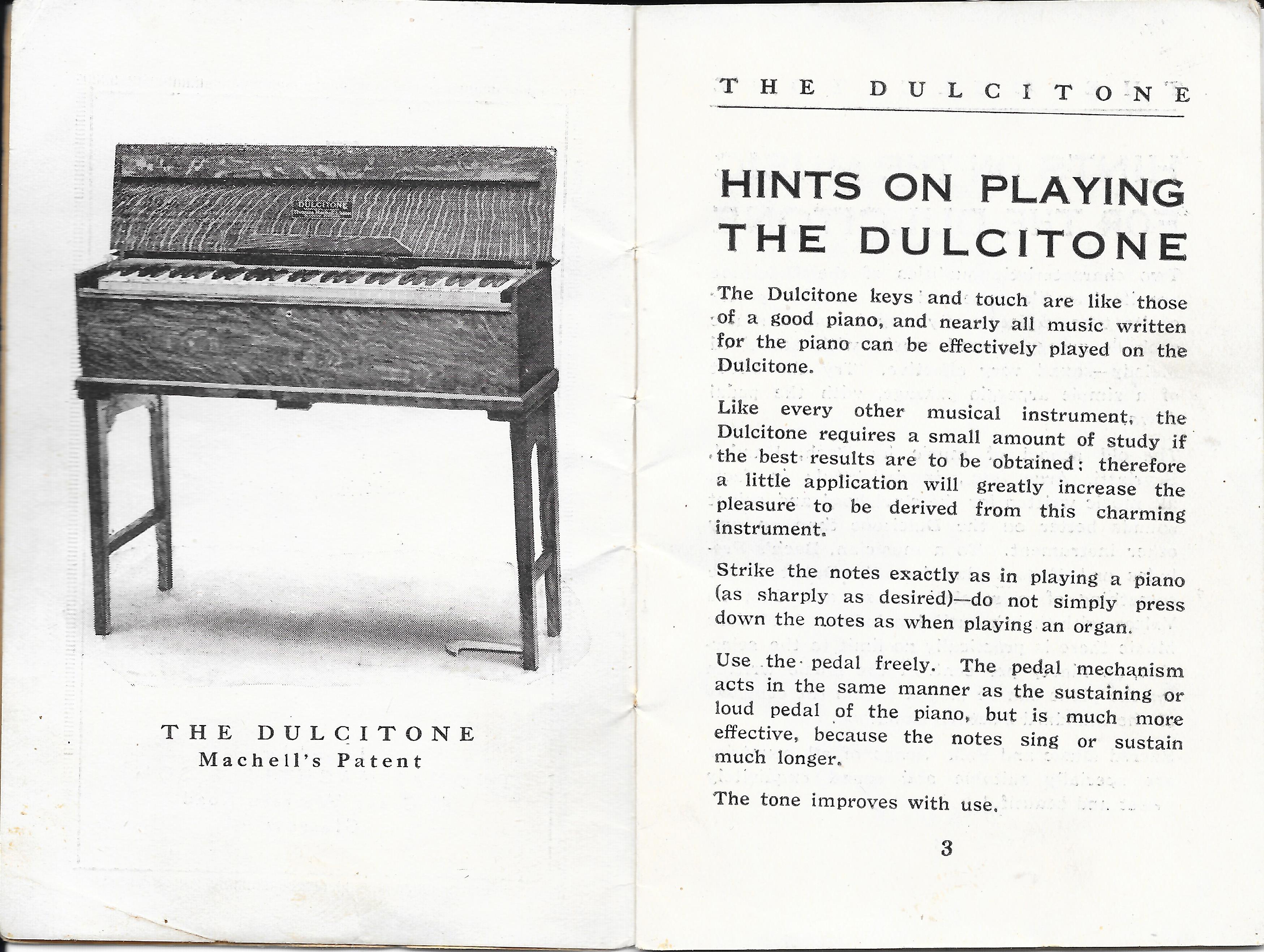
Technical communication document.
Creating a Personal User Manual is a journey of self-discovery and self-awareness. It's a tool that allows you to communicate more effectively with others by providing them with a guide to understanding you. One of the most critical steps in creating your Personal User Manual is structuring it in a way that is clear, concise, and easy to understand.
Importance of a Well-Structured User Manual
A well-structured User Manual is crucial for several reasons. Firstly, it ensures that the information is organized and easy to follow. This makes it more likely that others will read and understand it. Secondly, a well-structured manual reflects positively on you. It shows that you are thoughtful, organized, and considerate of others' time and effort.
Exploring Different Structures
There are several ways you can structure your Personal User Manual. The structure you choose should reflect your personality and communication style. Here are a few examples:
-
Chronological Structure: This structure follows your life or career in a linear fashion. It's useful if your experiences and growth over time have significantly shaped your communication style.
-
Thematic Structure: This structure organizes information around key themes or aspects of your personality and communication style. For example, you might have sections on your work style, feedback preferences, conflict resolution style, etc.
-
Question and Answer Structure: This structure presents information in a Q&A format. It's a good choice if you want to address specific questions that people often ask you or misunderstand about you.
Deciding on the Most Suitable Structure
Choosing the most suitable structure for your User Manual depends on your personal preferences and the nature of your interactions. Consider the following questions:
- What structure best represents your personality and communication style?
- What structure will be most helpful and accessible to the people who will be reading your User Manual?
- What structure will allow you to present your information in the most clear and concise way?
Organizing Information
Once you've chosen a structure, it's time to organize your information. Here are some tips:
-
Start with the most important information: The first section of your User Manual should provide a general overview of who you are and how you prefer to communicate.
-
Use headings and subheadings: These help to break up the text and make it easier to read and understand.
-
Keep sections short and focused: Each section should cover one specific aspect of your personality or communication style.
-
Use bullet points and numbered lists: These can make information more digestible and easier to remember.
Remember, the goal of your Personal User Manual is to help others understand you better. A well-structured User Manual will make it easier for them to do so.